Introduction: Defining the Right of Return
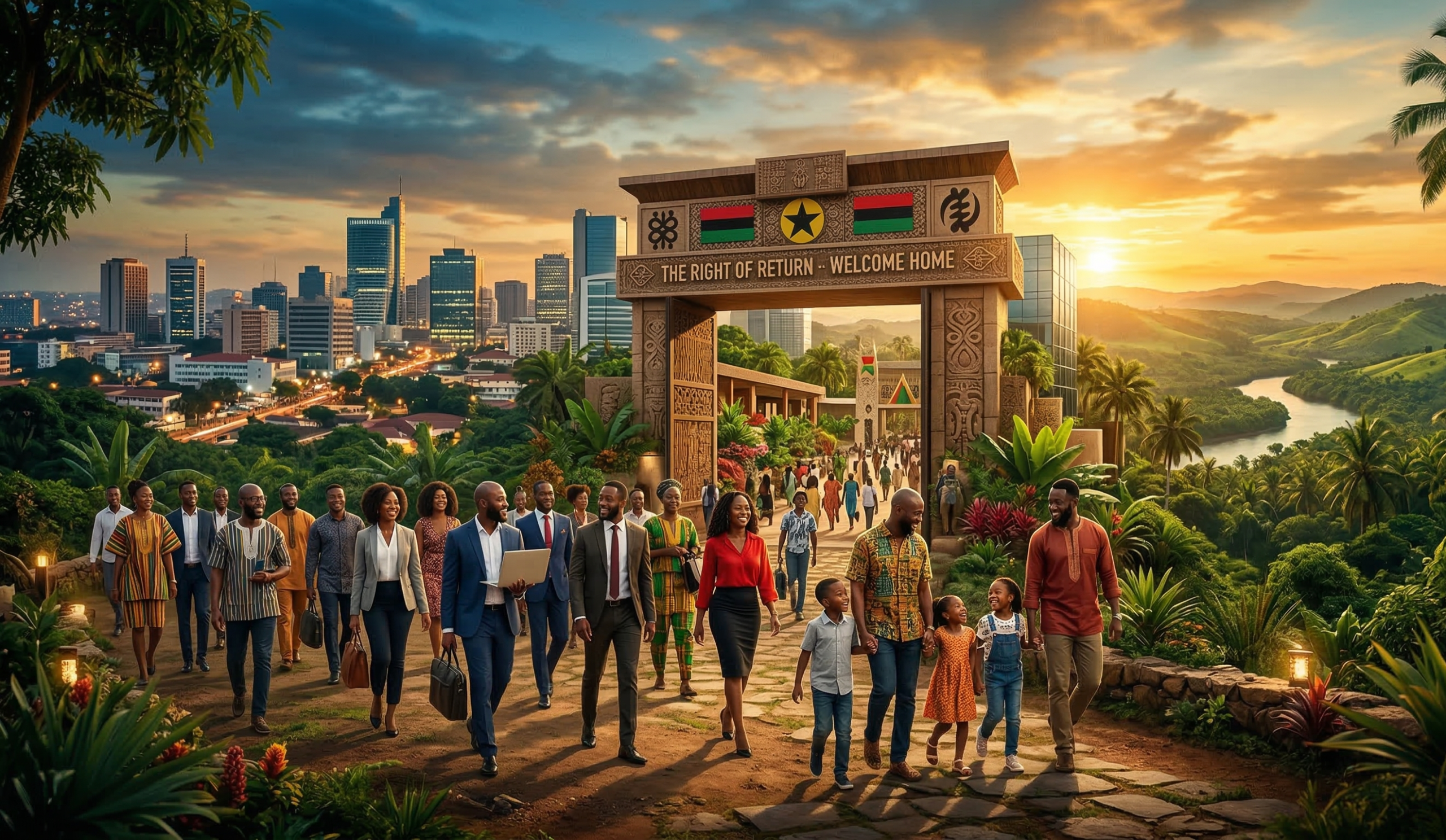
The “Right of Return” is a principle of international law which affords all persons the right to enter their country of origin. While often discussed in the context of specific 20th-century geopolitical conflicts, for the African diaspora, the Right of Return is a profound restorative justice concept. It represents the formal recognition that the descendants of enslaved Africans, forcibly removed from the continent during the Transatlantic Slave Trade, maintain an ancestral and moral claim to African soil.
Today, this concept has evolved from a sentimental longing into a rigorous policy proposal. It seeks to bridge the gap between the 1.4 billion people on the continent and the 200 million-strong diaspora. At its core, the Right of Return is about more than physical relocation; it is about the structural reintegration of a global people to catalyze Africa’s sovereign development.
The Historical Context of the African Diaspora
The African diaspora was not formed by voluntary migration but by the largest forced oceanic displacement in human history. Between the 16th and 19th centuries, an estimated 12.5 million Africans were shipped to the Americas; millions more perished during the Middle Passage.
This “Maafa” (the Great Tragedy) did not merely steal labor; it attempted to sever the linguistic, cultural, and political ties between the children of Africa and their motherland. For centuries, the diaspora has been defined by this “unhomed” status—existing within Western nations that often marginalize them, while being legally barred from the lands of their ancestors. Understanding the Right of Return requires acknowledging this historical rupture as a crime against humanity that necessitates a systemic remedy.
What Is the Right of Return to Africa?
In legal and policy terms, the Right of Return to Africa is a proposed legislative framework that grants descendants of the Transatlantic Slave Trade the right to residency, land ownership, and eventual citizenship in African nations.
Unlike standard immigration, which is based on labor needs or investment capital, the Right of Return is identity-based and restorative. It posits that the “State of Origin” (Africa as a collective) has a duty to facilitate the reintegration of its lost population. It shifts the diaspora’s status from “foreigners” to “returning family,” simplifying the bureaucratic hurdles that currently make repatriation nearly impossible for the average person.
Why the African Diaspora Seeks Reconnection
The drive for return is fueled by three primary pillars:
- Identity and Belonging: In the West, many of African descent experience “double consciousness”—the sense of always looking at one’s self through the eyes of a society that views them with hostility. Africa offers a psychological “homecoming” and the chance to live in a majority-Black society where their identity is the norm, not the exception.
- Economic Opportunity: As Western markets saturate and face stagnation, Africa represents the final frontier of global growth. The diaspora seeks to bring their skills to an environment where they can build legacies rather than just fill roles.
- Cultural Duty: There is a growing sense of Pan-African responsibility. Many in the diaspora feel a moral calling to contribute their expertise to the continent’s rise, viewing Africa’s success as the ultimate protection for Black people worldwide.
Why Africa Should Welcome the Diaspora
A formal Right of Return is not an act of charity by African states; it is a strategic masterstroke for continental development. The diaspora represents a “Sixth Region” of the African Union, possessing immense untapped potential.
Strategic Benefits Include:
- Capital Investment: The diaspora currently sends over $95 billion annually in remittances to Africa. A Right of Return policy transforms this from “survival money” into “investment capital” by allowing the diaspora to own property and businesses securely.
- Technology and Knowledge Transfer: Diaspora members often hold senior positions in global tech, medicine, and engineering sectors. Their return facilitates a “brain gain” that leapfrogs traditional development cycles.
- Global Influence: A politically connected diaspora in the West acts as a powerful lobby for African interests, influencing trade deals and foreign policy in Washington, London, and Paris.
- Cultural Exchange and Soft Power: The fusion of diaspora creativity with continental traditions strengthens Africa’s global brand, boosting tourism and the creative arts.
How a Right of Return Policy Could Work: Practical Mechanisms
For the Right of Return to move from rhetoric to reality, specific policy instruments must be implemented:
Diaspora Residency Visas
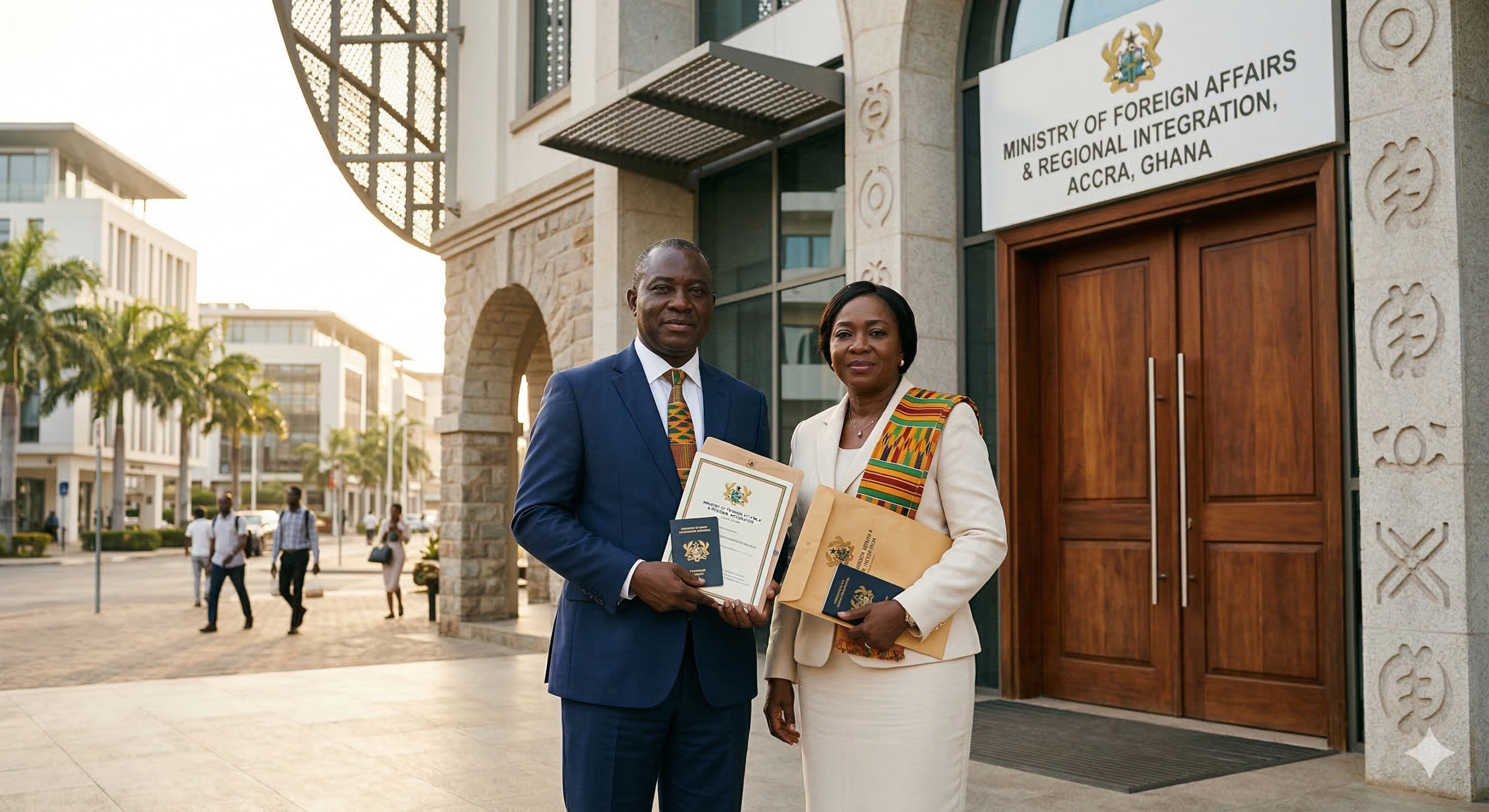
Nations should implement a “Right of Abode” certificate, similar to Ghana’s model, which allows diaspora members to live and work indefinitely without the need for constant visa renewals or work permits.
Citizenship Pathways
Legislative reform is needed to allow for dual citizenship and “fast-track” naturalization for those who can prove African descent through DNA testing or historical records of the Transatlantic displacement.
Diaspora Land Programs
African governments can designate specific economic zones or residential tracts for returnees. This prevents land speculation and ensures that returnees have a tangible “stake in the soil” to build homes and agricultural projects.
African Union (AU) Coordination
The AU must lead the creation of an “African Diaspora Passport.” This would allow a person of African descent to move freely across the continent, reflecting the spirit of the African Continental Free Trade Area (AfCFTA).
Examples of Existing Diaspora Return Policies
Several nations have already paved the way:
- Ghana: The “Year of Return” (2019) and the “Beyond the Return” (ten-year initiative) are the gold standards. Ghana has granted citizenship to hundreds of diaspora members and simplified residency for thousands more.
- Ethiopia: Has historically offered “Yellow Cards” to the Rastafari community and other diaspora members, providing them with many of the rights of citizens, excluding the right to vote.
- Sierra Leone and Benin: These nations have recently begun utilizing DNA ancestry results as a basis for granting citizenship, recognizing the genetic link as a valid legal tie.
Challenges and Concerns
The path to return is not without friction. Policy writers must address:
- Bureaucracy: Many African nations have “paper-heavy” immigration systems that discourage even the most committed returnees. Solution: Digital e-visas and dedicated “Diaspora Desks” in government ministries.
- Land Issues: Land is a sensitive topic. Influxes of diaspora capital can drive up prices, alienating locals. Solution: Community-inclusive land trusts where returnees and locals co-develop projects.
- Cultural Tensions: Differences in social norms and “Westernized” attitudes can cause friction. Solution: Cultural immersion and orientation programs for returnees to ensure they integrate with humility and respect for local customs.
The Role of the African Union
Individual state action is helpful, but a Continental Right of Return is essential. The African Union must codify the diaspora’s status within the African Charter. By creating a unified policy, the AU ensures that the diaspora is not “shopping for a country” but is returning to a unified Africa. This includes harmonizing banking regulations to make it easier for the diaspora to move assets to the continent.
The Future of Diaspora–Africa Relations
The 21st century will be defined by the “Global African.” As the continent’s population is set to double by 2050, the integration of the diaspora will be the catalyst that ensures this demographic shift leads to prosperity rather than crisis. We are moving toward a future where “Blackness” is no longer a site of shared trauma, but a site of shared global power, backed by a sovereign, technologically advanced, and welcoming African continent.
Conclusion
The Right of Return to Africa is the final chapter of the decolonization process. It is a policy that corrects a historical wrong while building a future of immense economic and cultural promise. By formalizing residency, citizenship, and investment pathways, African nations can unlock the potential of their Sixth Region and ensure that every child of the diaspora knows that they have a home—not just in their hearts, but in the law.
Support the Right of Return Movement Join thousands of Pan-Africans in demanding formal policy changes that bridge the gap between Africa and its diaspora.
LAST UPDATED
March 10, 2026